Cargo Containers manufacturer
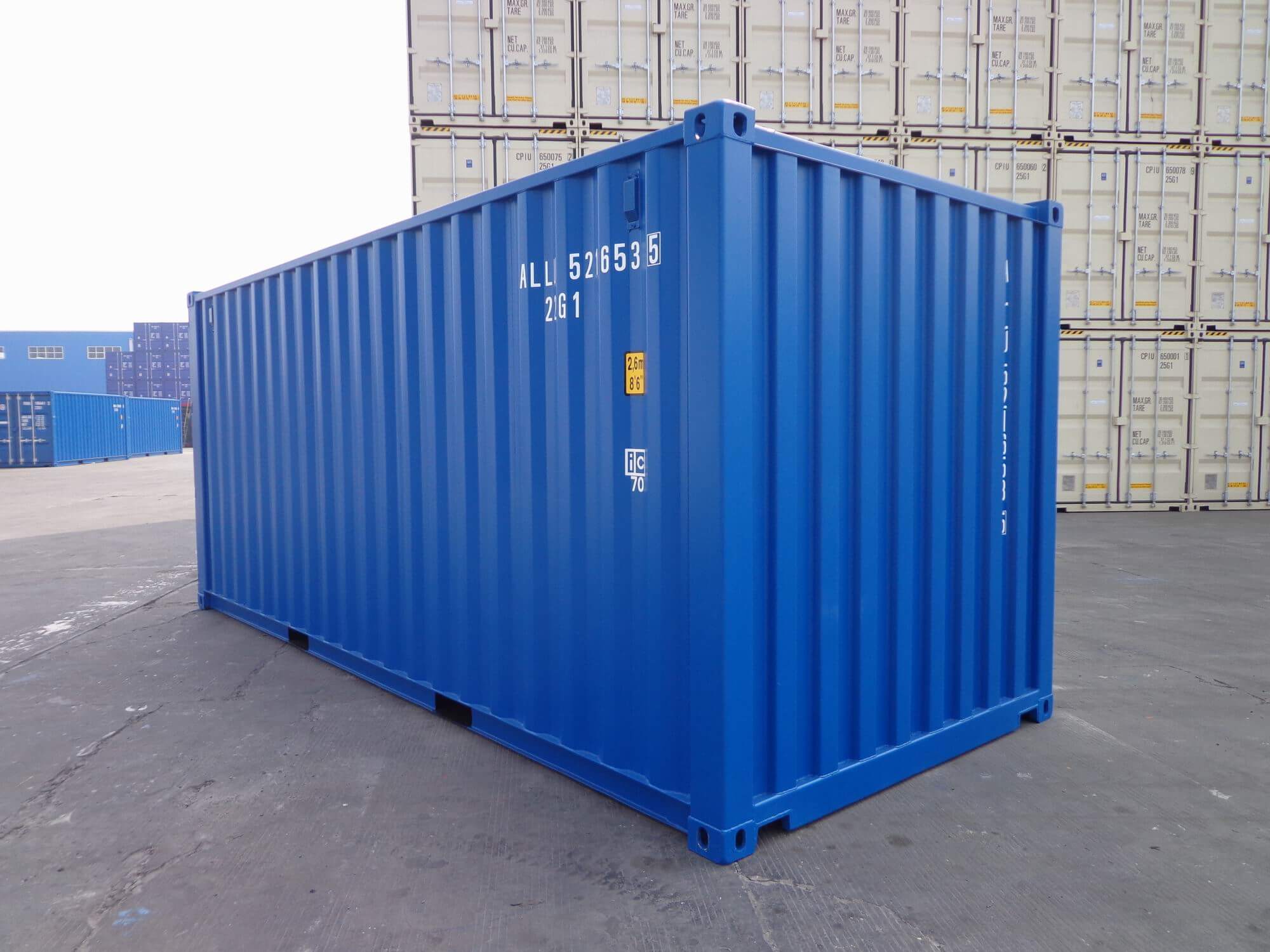
Cargo transportation plays an important role in domestic and international trade. Businesses involved in manufacturing, import-export, logistics and distribution need suitable containers to transport goods safely and efficiently.
A cargo container provides an enclosed and standardised space for moving compatible goods by road, rail and sea. Selecting the right container helps businesses manage cargo loading, transportation and storage requirements.
Dhruv Container Line Pvt. Ltd. offers container solutions for businesses looking for reliable options for cargo transportation and storage. Whether you need a container for general cargo, industrial materials, machinery or commercial shipments, choosing the right size and configuration is essential.
As a Cargo Container Supplier in India, Dhruv Container helps customers explore container options according to cargo dimensions, weight, quantity, application and delivery requirements.
What Is a Cargo Container?
A cargo container is a durable, enclosed unit designed to carry goods during transportation and provide storage when required. Shipping containers are widely used in multimodal logistics, allowing goods to move between ships, trains and trucks without being unloaded at every transfer point.
General-purpose cargo containers are commonly used for transporting packaged goods, industrial products, machinery, consumer products and other compatible materials.
The right container should be selected according to cargo weight, dimensions, loading method, handling requirements and transportation conditions.
Types of Cargo Containers
Different cargo requirements call for different container sizes and configurations. General Purpose and High Cube containers are commonly used for commercial and industrial shipments.
1. 20GP Cargo Container
A 20GP (20-foot General Purpose) container is a commonly used option for transporting general cargo. Its compact size makes it suitable for businesses that do not require the additional length of a 40-foot container.
It can be considered for:
Packaged commercial goods
Industrial materials
Machinery and equipment
Palletised cargo, depending on the loading arrangement
General import and export shipments
2. 20HC Cargo Container
A 20HC (20-foot High Cube) container provides additional internal height compared with a standard-height 20-foot container. It can be considered when cargo requires extra vertical clearance.
Common applications include:
Taller packaged goods
Cargo requiring additional loading height
Selected industrial equipment
Goods with specific vertical space requirements
The actual internal dimensions and payload should be checked before loading.
3. 40GP Cargo Container
A 40GP (40-foot General Purpose) container offers a longer cargo space and is suitable for businesses handling larger consignments.
It may be used for transporting:
Large commercial shipments
Industrial materials
Packaged products
Machinery and equipment
General export-import cargo
The total cargo weight must remain within the container's permitted payload and applicable transportation limits.
4. 40HC Cargo Container
A 40HC (40-foot High Cube) container provides additional internal height compared with a standard-height 40-foot container. It can be considered for shipments requiring greater cargo volume and vertical space.
Common applications include:
High-volume cargo
Bulky packaged goods
Cargo requiring additional internal height
Selected machinery and equipment
Before selecting a 40HC container, check its actual internal dimensions, maximum gross weight and payload.
Applications of Cargo Containers
Cargo containers are used across different industries for transportation, logistics and storage requirements.
Import and Export Trade
Importers and exporters use shipping containers to transport compatible goods between suppliers, ports, distribution centres and business destinations.
Manufacturing Industry
Manufacturing businesses use cargo containers for moving raw materials, components, machinery, spare parts and finished products.
Logistics and Transportation
Logistics companies use shipping containers for organised cargo movement through road, rail and sea transportation networks.
Construction and Infrastructure
Cargo containers can transport compatible construction materials, tools, project supplies and equipment to infrastructure and construction sites.
Retail and Distribution
Wholesale and retail businesses use cargo containers to move packaged consumer products, commercial goods and inventory between warehouses and distribution locations.
Industrial Equipment Transportation
Suitable containers can be used for transporting machinery parts, industrial tools and compatible equipment. Oversized or exceptionally heavy cargo may require specialised containers or alternative transportation arrangements.
Important Features of a Cargo Container
Before purchasing a cargo container, it is important to evaluate its construction, specifications and suitability for the intended application.
Strong Structural Construction
The container frame, corner posts, side panels and roof should be inspected for visible damage, deformation and structural issues. A suitable structure is important for safe handling and transportation.
Secure Door and Locking System
Doors, hinges, locking bars and seals should be checked to ensure proper operation. Secure door arrangements help protect goods during transportation and storage.
Suitable Flooring
The container floor should be inspected for damage, moisture, contamination and suitability for the expected cargo weight and loading method.
Weather Protection
The roof, side panels and door seals should be checked for visible defects and possible water entry. Moisture-sensitive cargo may require additional protective packaging.
Loading and Unloading Compatibility
The container should be compatible with the loading equipment and handling arrangements available at the pickup and delivery locations.
Container Specifications
Always check the container identification plate and specifications, including tare weight, maximum gross weight, payload and internal dimensions.
How to Select the Right Cargo Container
Choosing the right cargo container depends on the type of goods, shipment quantity and transportation requirements.
Identify the cargo: Understand the product type, packaging and handling requirements.
Measure cargo dimensions: Check the length, width and height of the goods or packages.
Calculate total weight: Ensure the loaded container remains within its permitted weight limits.
Select the container size: Compare 20GP, 20HC, 40GP and 40HC options.
Check loading access: Consider door clearance, loading equipment and cargo positioning.
Inspect container condition: Examine the frame, roof, floor, doors and seals.
Review transportation requirements: Confirm suitability for the intended transport mode and route.
Check documentation: Verify the required shipping and container documentation.
Plan cargo securing: Use suitable packing, blocking and lashing methods where required.
Confirm delivery arrangements: Discuss pickup, positioning and transportation requirements.
Selecting a suitable container helps businesses organise cargo movement and reduce avoidable loading and handling issues.
Cargo Loading and Securing Considerations
Proper cargo loading is essential for safe transportation. Incorrect weight distribution or inadequate securing can cause cargo movement, product damage and handling risks during transit.
Weight Distribution
Cargo weight should be distributed appropriately across the container floor. Avoid concentrating excessive weight in a small area.
Cargo Packaging
Goods should be packed according to their nature, dimensions, fragility and transportation conditions.
Load Securing
Suitable blocking, bracing, lashing and other securing methods should be used where necessary to prevent cargo from shifting during transportation.
Door Clearance
Cargo should be positioned without creating unsafe pressure against the container doors or obstructing proper door closure.
Moisture Protection
Moisture-sensitive products should be packed and protected appropriately. The container should also be inspected for possible water entry before loading.
Cargo Compatibility
Different products may have specific ventilation, segregation, handling and safety requirements. Special cargo should be assessed before selecting a standard general-purpose container.
New and Used Cargo Containers
Businesses can consider new or used cargo containers depending on their budget, transportation requirements and preferred container condition.
New Cargo Containers
New cargo containers may be suitable for businesses that prefer unused equipment and require specific specifications. Before purchase, confirm the container's documentation, dimensions and suitability for the intended transportation requirements.
Used Cargo Containers
Used cargo containers can be an economical option for businesses with suitable transportation or storage requirements. However, their physical condition and shipping suitability should be carefully evaluated.
Before purchasing a used container, inspect:
Structural frame and corner posts
Roof and side panels
Floor condition
Doors and locking systems
Seals and weather protection
Container identification and markings
Applicable inspection and approval documentation
A used container should not automatically be considered suitable for international shipping. Its condition and required approvals must be verified for the intended application.
Cargo Container Solutions for Different Business Requirements
Every business has different cargo transportation requirements. Selecting a suitable container depends on shipment size, product type and available loading arrangements.
Small and Medium Shipments: A 20GP container may be suitable for compatible cargo with appropriate dimensions and weight.
Additional Cargo Height: A 20HC container can be considered when extra vertical clearance is required.
Large Commercial Shipments: A 40GP container offers a longer cargo space for larger consignments.
Bulky and High-Volume Shipments: A 40HC container may be considered when additional cargo volume and internal height are needed.
The final selection should always be based on actual container specifications and cargo measurements rather than nominal container size alone.
Why Choose Dhruv Container for Cargo Container Requirements?
Selecting a cargo container supplier requires attention to container specifications, physical condition, availability and delivery arrangements.
Dhruv Container Line Pvt. Ltd. deals in shipping container products and logistics-related services for different business requirements. We understand that manufacturers, traders, importers, exporters and logistics companies may require different container sizes and configurations.
Our team can discuss your requirements and help you enquire about suitable available options.
When contacting us, share the following details:
Required container size
Type of cargo
Cargo weight and dimensions
New or used container preference
Quantity required
Transportation or storage application
Pickup and delivery location
Providing these details helps us understand your requirements and discuss suitable container options.
Enquire About Cargo Containers Today
Looking for a Cargo Container Supplier in India?
Contact Dhruv Container Line Pvt. Ltd. to discuss your requirements for 20GP, 20HC, 40GP and 40HC cargo containers.
Whether you are a manufacturer, trader, importer, exporter or logistics business, share your cargo details, preferred container size and delivery location to enquire about available options and pricing.
Explore Related Container Products
Different businesses have different container requirements depending on their transportation, storage and specialised applications.
If your primary requirement is storing goods, materials or industrial inventory, explore our Storage Container Solutions.
Businesses looking for budget-conscious container options can also explore our Second Hand Storage Containers.
For standardised container requirements involving transportation and storage, visit our ISO Container Solutions.
If your cargo requires additional temperature management, explore our Refrigerated Containers and check the available specifications for your intended application.
Conclusion
Cargo containers play an important role in modern transportation and international trade. Selecting the right container helps businesses organise cargo loading, protect compatible goods and manage transportation across different logistics networks.
From 20-foot General Purpose containers to 40-foot High Cube options, buyers should consider cargo dimensions, weight, container condition, loading arrangements and transportation requirements before selecting a unit.
Dhruv Container Line Pvt. Ltd. provides container solutions for different business requirements. Contact our team with your cargo details, preferred container size and delivery location to enquire about available options.
Frequently Asked Questions (FAQs)
1. What is a cargo container?
A cargo container is an enclosed unit designed to carry goods during transportation. It is commonly used in road, rail and sea logistics.
2. What are the common cargo container sizes?
Common container configurations include 20GP, 20HC, 40GP and 40HC. Each configuration has different internal dimensions and capacity specifications.
3. What is the difference between 20GP and 40GP cargo containers?
A 20GP is a 20-foot General Purpose container, while a 40GP is a 40-foot General Purpose container. A 40GP provides a longer cargo space, but the actual usable capacity and payload depend on the specific container.
4. What is a High Cube cargo container?
A High Cube container provides additional internal height compared with a standard-height container of the same length. It can be useful for cargo requiring greater vertical clearance.
5. Which goods can be transported in a general-purpose container?
General-purpose containers can carry compatible packaged products, machinery, industrial materials, commercial goods and other general cargo. Specialised, hazardous, oversized or temperature-sensitive cargo may require different equipment and handling arrangements.
6. Can used cargo containers be used for shipping?
Yes, used cargo containers may be suitable for shipping if their physical condition and required inspection or approval status meet the requirements of the intended transportation and applicable regulations.
7. How do I calculate the right cargo container size?
Measure the cargo dimensions, calculate its total weight and consider the loading arrangement. Compare these requirements with the actual internal dimensions and permitted payload of the available containers.
8. How should cargo be secured inside a shipping container?
Cargo should be packed, positioned and secured using appropriate methods such as blocking, bracing and lashing where necessary. Proper weight distribution and cargo compatibility should also be considered.
9. Can cargo containers be used for storage?
Yes, suitable cargo containers can be used for general storage, provided their physical condition and construction are appropriate for the intended goods and storage environment.
10. How can I get a cargo container quotation from Dhruv Container?
Share your preferred container size, cargo details, required quantity, new or used preference and delivery location with Dhruv Container to enquire about available options and pricing.

At Dhruv Container Line Pvt Ltd, we believe in building long-term relationships with our clients by consistently delivering on our promises and exceeding expectations.